
Graphite rotor
Keywords:
Classification:
Product Details
Metallurgical field: In the smelting process of steel and non-ferrous metals, it is used for the manufacture and maintenance of furnaces, furnace bottoms, furnace doors and other parts.
Petrochemical field: in the petrochemical industry, fertilizer production and other high temperature process, used for the reactor, pipeline and other equipment insulation.
Power field: It is used to improve thermal efficiency and reduce heat loss of equipment in boilers and other equipment of thermal power plants.
Aerospace: In high-temperature components such as rockets and aircraft engines, to ensure the normal operation of equipment under extreme conditions.
What is a Graphite Rotor?
A Graphite Rotor is a core component used in the melting and casting of non-ferrous metals like aluminum and magnesium for melt purification treatment. It is mounted on the rotating shaft of a degassing unit (either in-line or furnace-mounted) and operates by spinning at high speed while immersed in the molten metal bath.
Its core working principle is: through high-speed rotation, it breaks down the inert gas (typically argon or nitrogen) fed into it into countless fine bubbles and disperses them uniformly throughout the melt. As these tiny bubbles rise, they act like "miniature sponges," adsorbing hydrogen gas and non-metallic inclusions (such as alumina) from the melt and carrying them to the surface, thereby achieving the goals of degassing, inclusion removal, and melt purification.
Main Components
A complete graphite rotor system typically consists of three parts:
Rotor Head (or Impeller):
This is the core working part, directly immersed in the molten metal. Its shape is carefully designed (e.g., propeller, rod, umbrella) to optimize bubble breakup and dispersion. It operates under extreme conditions of high temperature, high rotational speed, and molten metal冲刷 (erosion).
Rotor Shaft (or Stem):
The rod-like section connecting the drive shaft to the rotor head. It must have sufficient strength to transmit torque while maintaining gas tightness, conveying the inert gas from the top down to the rotor head.
Connection & Sealing System:
Used to securely mount the graphite rotor onto the equipment's drive shaft and ensure the inert gas flows only through the designated gas channel into the rotor shaft without leakage. This typically involves metal adapters, high-temperature resistant sealing rings, etc.
Primary Applications
Graphite rotors are mainly used in the following process stages:
Refining of Aluminum and its Alloys: Prior to casting (e.g., for car wheels, engine blocks) or rolling (e.g., for can stock, aerospace plate), to remove hydrogen gas and oxide inclusions from the melt. This prevents porosity and shrinkage defects in castings, and improves material strength, toughness, and fatigue resistance.
Refining of Magnesium Alloys: Similarly used to remove hydrogen and inclusions, enhancing the quality of magnesium alloy products.
Melting of Other Non-Ferrous Metals: Also used in some copper alloy melting processes.
Key Application Scenarios:
In-Line Degassing Systems: Installed on casting lines to purify continuously flowing aluminum melt.
Furnace Treatment: Batch treatment conducted within holding or melting furnaces.
Advantages and Characteristics
Excellent Purification Efficiency:
Capable of breaking inert gas into extremely fine bubbles, significantly increasing the gas-liquid contact area. This makes degassing and inclusion removal efficiency far superior to methods like stationary gas bubbling.
Outstanding High-Temperature Performance:
High-purity graphite can withstand temperatures exceeding 800°C (typical for molten aluminum), and its strength often increases at these temperatures, maintaining stability.
Good Thermal Shock Resistance:
Can withstand repeated, rapid temperature changes from room temperature to immersion in the hot melt without cracking easily.
Self-Lubricating & Erosion Resistant:
Graphite has inherent self-lubricating properties, causing minimal wear to rotating sleeves. It also offers good resistance to冲刷 (erosion) and chemical attack from flowing molten metal.
Chemical Stability:
Does not react chemically with molten aluminum or magnesium, avoiding contamination of the melt. The flow of inert gas through its internal channels is also safe.
Lightweight & Machinable:
Relatively low density reduces the load on the rotating system. Graphite material can be easily precision-machined into various complex rotor head shapes to optimize fluid dynamics.
Considerations:
Brittleness: Graphite is inherently a brittle material and can fracture if handled improperly during installation, transport, or operation (e.g., impact with furnace wall or hard objects).
Oxidation and Consumption: At high temperatures in the presence of air, graphite will gradually oxidize and be consumed. Therefore, the portion exposed above the melt must be protected (e.g., by an inert gas shroud), and it is a consumable item requiring regular replacement. Service life ranges from tens to hundreds of hours, depending on process conditions, usage, and maintenance.
Strength Limitation: Although its strength is good at high temperatures, its absolute mechanical strength is still lower than metals, making it unsuitable for extremely high rotational speeds or high-torque conditions.
Previous:
The next one:
Inquiry
Please fill in the information accurately and keep communication open. We will contact you as soon as possible
Related Products
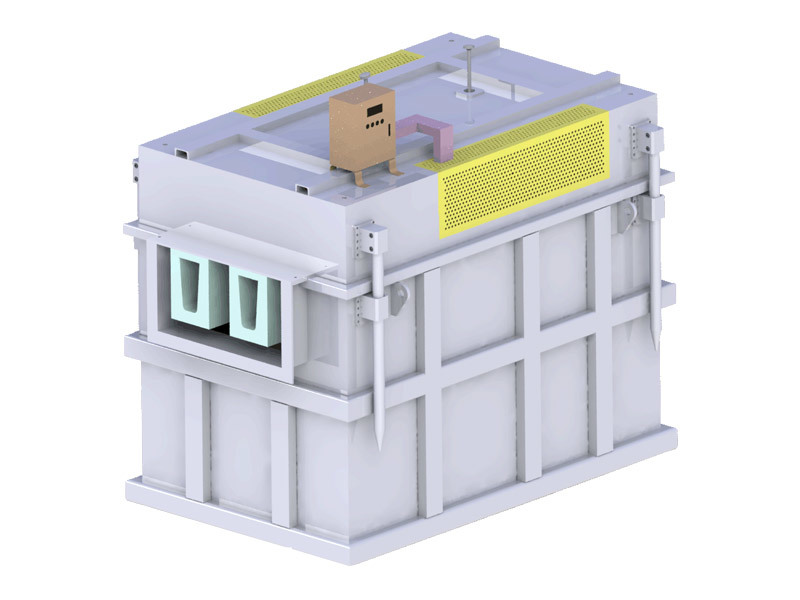
The Hongfeng degasser is designed with subsurface flow, matched with composite graphite rotor or silicon nitride rotor, heated by immersion heater, and can be equipped with permeable bricks according to the requirements of hydrogen removal. Different types and specifications of degassing equipment can be selected according to processing requirements.
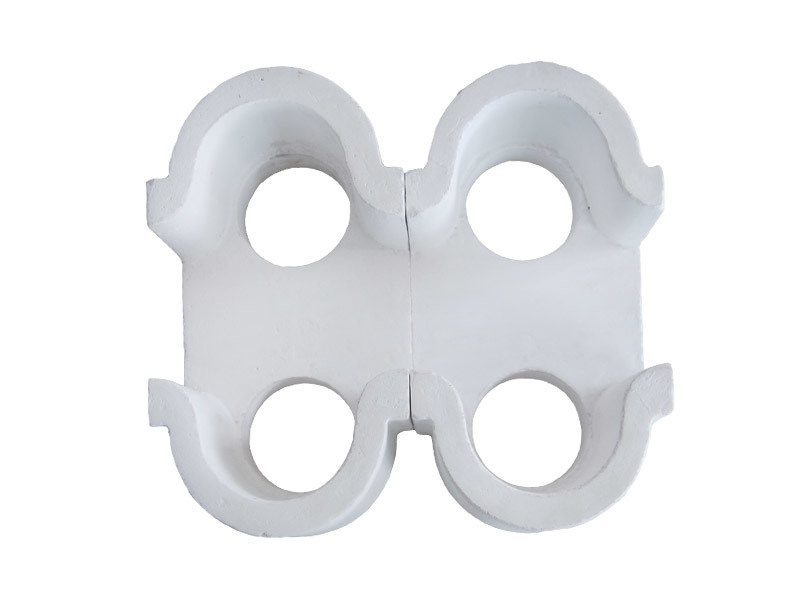
Refractory materials refer to inorganic non-metallic materials with a refractoriness of not less than 1580 ℃, which are mainly used for structural materials of thermal equipment such as high-temperature furnaces, as well as materials of industrial high-temperature containers and components, and can withstand corresponding physical and chemical changes and mechanical effects.
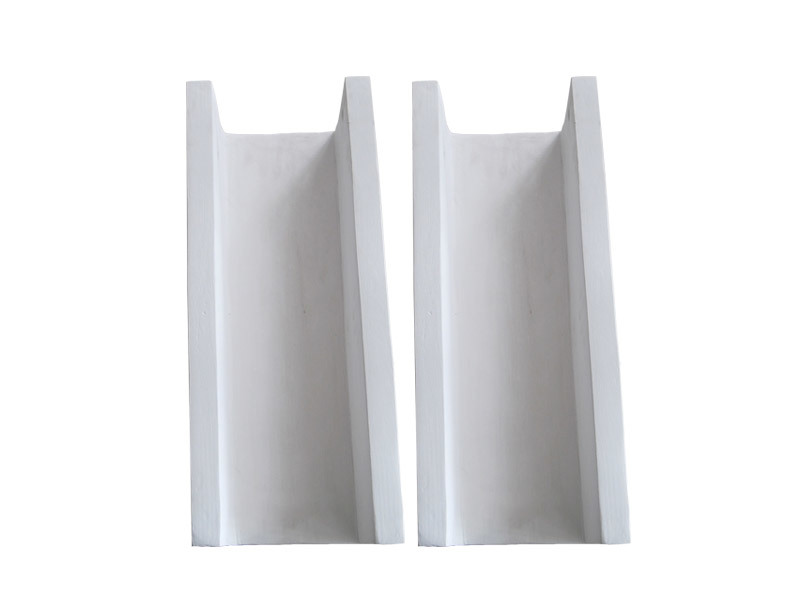
Siliceous products, aluminum silicate products, magnesium products, dolomite products, chromium products, carbon products, zirconium products, etc.
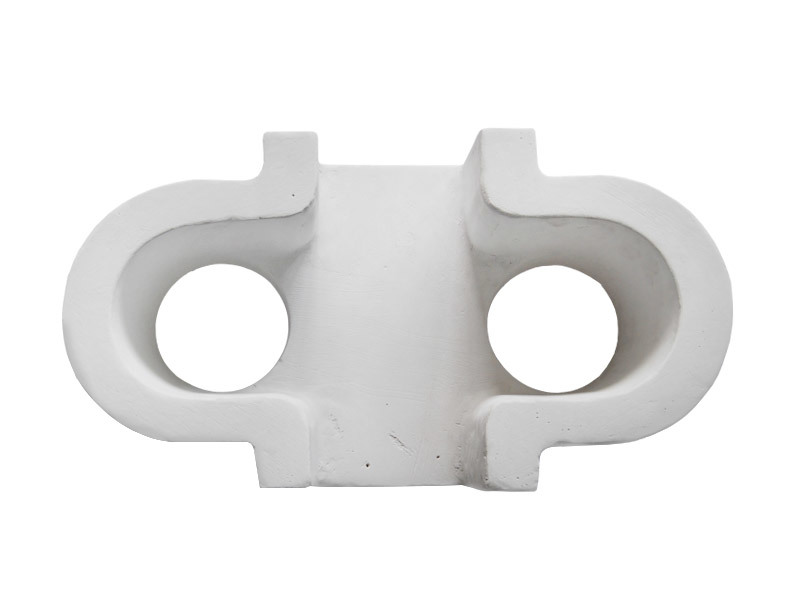
The production process of non-sintered products.


Contact Us
55 Jintai Middle Road, Jintai Development Zone, Dingxing County, Hebei Province, China
About Us
Add:55 Jintai Middle Road, Jintai Development Zone, Dingxing County, Hebei Province, China
Tel:+86-13903127726
Quote Now
Solutions for Your Industry, Ready for Your Choice