
Flow control chute
Keywords:
Classification:
Product Details
Production process: The production process of refractory materials includes the steps of raw material preparation, batching, mixing, molding, drying, firing and inspection. Among them, the selection and ratio of raw materials have an important influence on the performance of refractory materials.
Molding methods: There are various molding methods for refractory materials, including semi-dry molding, plastic molding, slurry injection molding, machine pressure molding, vibration molding, tamping molding, hot pressing molding, isostatic pressing, extrusion molding and casting molding. Different molding methods are suitable for different types of refractory materials and products.
Previous:
The next one:
Inquiry
Please fill in the information accurately and keep communication open. We will contact you as soon as possible
Related Products
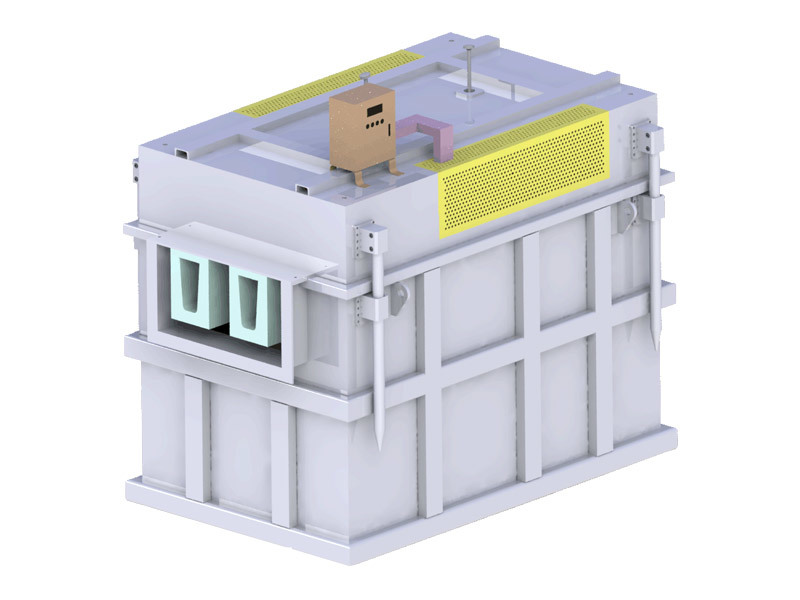
The Hongfeng degasser is designed with subsurface flow, matched with composite graphite rotor or silicon nitride rotor, heated by immersion heater, and can be equipped with permeable bricks according to the requirements of hydrogen removal. Different types and specifications of degassing equipment can be selected according to processing requirements.
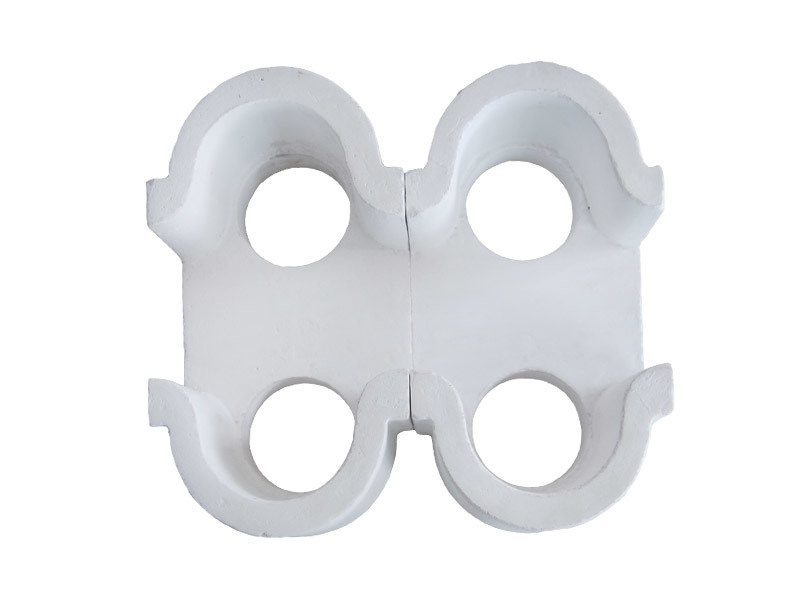
Refractory materials refer to inorganic non-metallic materials with a refractoriness of not less than 1580 ℃, which are mainly used for structural materials of thermal equipment such as high-temperature furnaces, as well as materials of industrial high-temperature containers and components, and can withstand corresponding physical and chemical changes and mechanical effects.
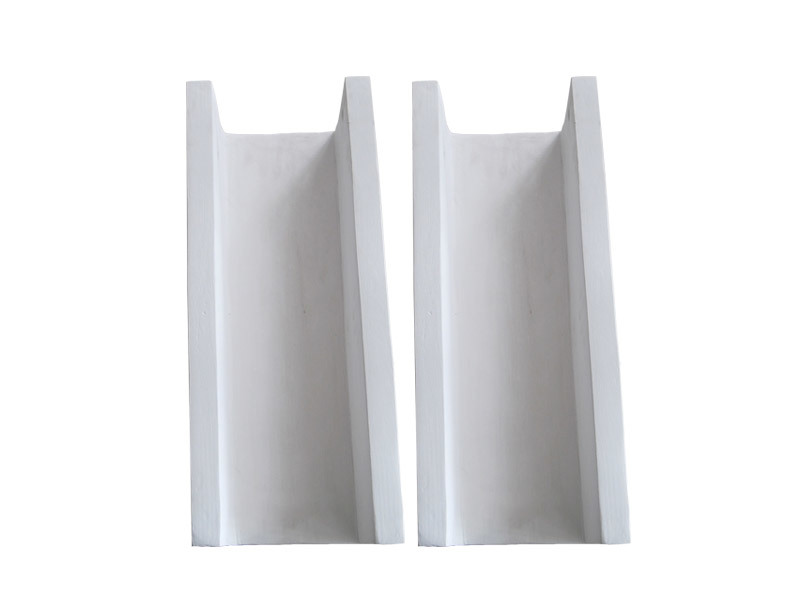
Siliceous products, aluminum silicate products, magnesium products, dolomite products, chromium products, carbon products, zirconium products, etc.
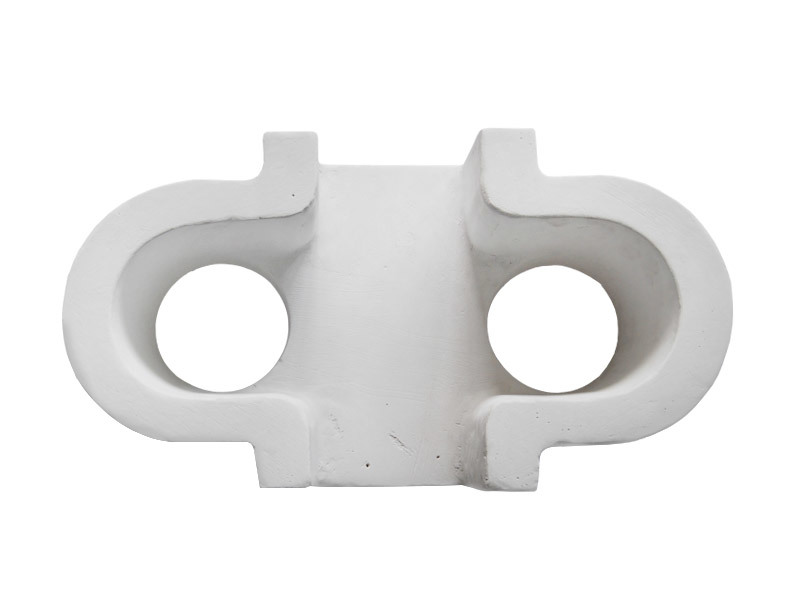
The production process of non-sintered products.


Contact Us
55 Jintai Middle Road, Jintai Development Zone, Dingxing County, Hebei Province, China
About Us
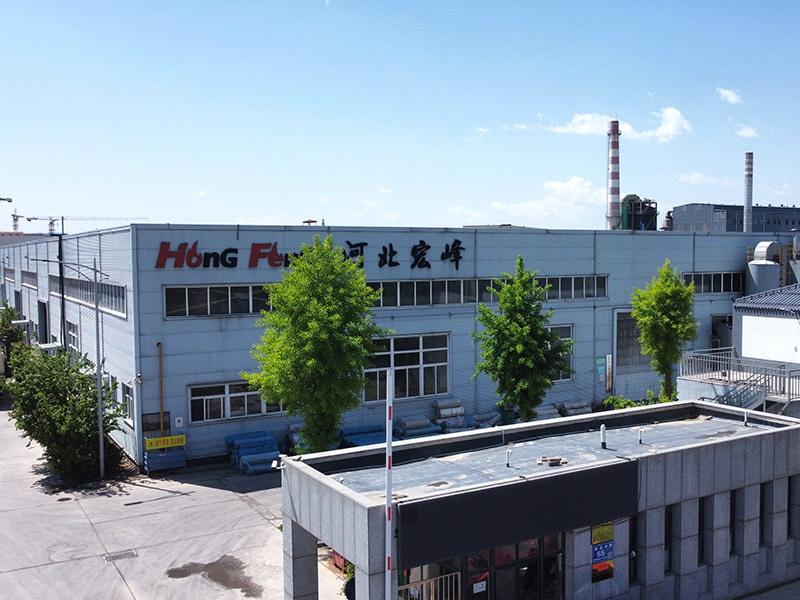
Add:55 Jintai Middle Road, Jintai Development Zone, Dingxing County, Hebei Province, China
Tel:+86-13903127726
Quote Now
Solutions for Your Industry, Ready for Your Choice