
Standard double heated degassing box
Keywords:
Classification:
Product Details
The Hongfeng degasser is designed with subsurface flow, matched with composite graphite rotor or silicon nitride rotor, heated by immersion heater, and can be equipped with permeable bricks according to the requirements of hydrogen removal. Different types and specifications of degassing equipment can be selected according to processing requirements.
Hongfeng filter equipment adopts equal diameter heating rod radiation heating, and the cylinder is lifted and rotated as a whole. According to different use environment requirements, single-stage vertical, double-stage vertical, double-stage horizontal, double-channel and other box types can be selected. The filter plate has different filtration accuracy from 20PPI to 50PPI, which is suitable for the production requirements of ordinary aluminum materials.
Degassing Equipment Model Table
| Series Name | Number of processing chambers | Number of Rotors | Maximum metal depth (mm) | Rated metal handling capacity (MT/hr) |
| CQ I 9 | 1 | 1 | 650 | 9 |
| CQ I 14 | 1 | 1 | 650 | 14 |
| CQ I 14A | 1 | 1 | 650 | 14 |
| CQ ⅡL27A | 2 | 2 | 650 | 27 |
| CQⅡ 27B | 2 | 2 | 650 | 27 |
| CQⅡ27CⅢ | 2 | 2 | 650 | 30 |
| CQⅢ64A | 3 | 3 | 800 | 64 |
| CQⅢ64B | 3 | 3 | 800 | 64 |
| CQⅢ182 | 3 | 3 | 800 | 82 |
| CQIV109 | 4 | 4 | 800 | 109 |
Filtration capacity table
| Filter Size (inches) | Effective filtration area (m2) | Minimum flow (KG/ min) | Maximum flow (KG/ min) | Normal filtration capacity (tons of aluminum) |
| 7 | 0.02 | 25 | 48 | 2.7 |
| 9 | 0.03 | 47 | 90 | 5.1 |
| 12 | 0.07 | 90 | 172 | 9.8 |
| 15 | 0.12 | 147 | 280 | 15.9 |
| 17 | 0.16 | 193 | 367 | 20.8 |
| 20 | 0.23 | 274 | 521 | 29.5 |
| 23 | 0.3 | 369 | 700 | 39.7 |
| 26 | 0.4 | 492 | 933 | 53 |
Filtration precision specification table
| ton/hour | 2. 5 | 5 | 10 | 15 | 20 | 25 | 30 | 35 | 40 | 45 | 50 | 55 | 60 | |
|
Normal
|
10PPI | 7“ | 7“ | 12“ | 15“ | 17“ | 20“ | 20“ | 23“ | 23“ | 2x20“ | 2x20“ | 2x20“ | 2x20“ |
| 20PPI | 7“ | 7“ | 12“ | 15“ | 17“ | 20“ | 20“ | 23“ | 23“ | 2x20“ | 2x20“ | 2x20“ | 2x20“ | |
| 30PPI | 7“ | 9“ | 15“ | 15“ | 17“ | 20“ | 23“ | 23“ | 2x20“ | 2x20“ | 2x20“ | 2x23“ | 2x23“ | |
| 40PPI | 9“ | 9“ | 15“ | 17“ | 17“ | 20“ | 23“ | 23“ | 2x20“ | 2x20“ | 2x20“ | 2x23“ | 2x23“ | |
|
Aviation Materials Stamping material Equal aluminum Requirements |
30PPI | 9“ | 9“ | 15“ | 17“ | 20“ | 23“ | 2x20“ | 2x20“ | 2x20“ | 2x23“ | 2x23“ | 2x23“ | 3x20“ |
| 40PPI | 9“ | 9“ | 15“ | 17“ | 20“ | 23“ | 2x20“ | 2x20“ | 2x20“ | 2x23“ | 2x23“ | 2x23“ | 3x20“ | |
| 50PPI | 9“ | 9“ | 15“ | 17“ | 20“ | 23“ | 2x20“ | 2x20“ | 2x20“ | 2x23“ | 2x23“ | 2x23“ | 3x20“ | |
| 65PPI | 9“ | 12“ | 17“ | 20“ | 23“ | 23“ | 2x20“ | 2x20“ | 2x20“ | 2x23“ | 3x20“ | 3x20“ | 3x23“ | |
| 80PPI | 9“ | 12“ | 17“ | 20“ | 23“ | 23“ | 2x20“ | 2x20“ | 2x20“ | 2x23“ | 3x20“ | 3x20“ | 3x23“ |
Primary Purpose
Pre-treatment for Vacuum Coating: To remove surface contaminants such as water vapor, oxygen, nitrogen, and organic solvents from substrates (e.g., glass, silicon wafers, metals) before they are transferred into the main deposition chamber.
Improve Film Adhesion and Quality: Thorough degassing prevents gas release during film formation, avoiding issues like bubbles, pinholes, and poor adhesion. This significantly enhances the uniformity, density, and bonding strength of the deposited film.
Accelerate System Pump-down: By removing a large volume of volatiles upfront, the gas load on the main process chamber is drastically reduced, shortening the overall production cycle time and increasing throughput.
Protect the Main Process Chamber: Acts as a barrier to prevent contaminants from entering the expensive main coating chamber, reducing the frequency of cleaning and maintenance and protecting core process equipment.
Mechanical Characteristics
Chamber Structure:
Material: Typically constructed from high-grade stainless steel (e.g., 304 or 316L), with interior surfaces polished to reduce surface area, facilitate cleaning, and minimize outgassing.
Sealing: Equipped with precision flanges and metal (or fluoroelastomer) seals to ensure vacuum integrity.
Strength: Designed to withstand atmospheric pressure without deformation.
Heating System:
Dual-Heating Design (Core Feature): Consists of:
Bottom Heating Plates: Provide direct and uniform conductive heating to the substrate-carrying trays.
Radiant Heaters (e.g., infrared lamps, quartz heaters): Mounted inside the chamber (on sides or top) to heat substrates omnidirectionally via thermal radiation, particularly effective for desorbing surface gases.
Thermal Insulation: Chamber walls incorporate insulating materials (e.g., ceramic fiber) to improve thermal efficiency and reduce external wall temperature.
Vacuum System Interface:
Connected to a high-vacuum pump stack (e.g., roots blower + turbomolecular pump), fitted with vacuum valves, piping, and gauges (e.g., Pirani, ionization gauges).
Transfer System:
Often integrated with production lines, featuring rails or rollers for easy loading/unloading of carts or trays. Door mechanisms are typically pneumatic or electric lift/slide types.
Cooling System:
May include water cooling circuits or forced-air cooling to rapidly cool the chamber and workload after processing, reducing wait time.
Electrical Characteristics
Heating Power: Ranges from several kilowatts to tens of kilowatts, depending on chamber volume and process temperature requirements. The dual heating systems are often independently controllable.
Temperature Control System:
Multi-Zone Control: Bottom and radiant heating zones can be controlled independently for a precise and uniform temperature profile.
High Precision: Utilizes PID controllers and thermocouples (e.g., Type K), with control accuracy typically within ±1°C to ±5°C.
Programmable: Capable of multi-stage ramp, soak, and cool-down profiles for different process recipes.
Safety Features:
Over-temperature protection, thermocouple break alarm, over-current protection, and interlocking with the vacuum system (e.g., heating disabled if vacuum level is insufficient).
Power Supply: Typically three-phase 380V AC for heaters, with 220V AC for control systems.
Working Principle
The principle is based on the combined effects of "heat-enhanced desorption" and "vacuum removal."
Loading: Substrates are loaded into the sealed degassing chamber via a transfer mechanism.
Evacuation: Vacuum pumps are activated to reduce the chamber pressure to a medium/high vacuum range (e.g., 10⁻² Pa to 10⁻³ Pa). This low-pressure environment lowers the partial pressure of gases, facilitating desorption.
Dual-Heating Activation:
Conductive Heating (Bottom): Directly heats the tray and substrate backside, promoting heat transfer from the inside out.
Radiant Heating (Sides/Top): Infrared radiation travels through the vacuum and is absorbed by the substrate surface, efficiently exciting adsorbed molecules and providing the energy needed for them to desorb.
Degassing Process: Under the combined action of heat and vacuum, gases adsorbed on and within the substrate are rapidly released. The released gases are continuously pumped away and expelled from the system.
Cooling & Venting: After a preset degassing time, heating is stopped, and the cooling system is activated. Once the temperature is safe, the chamber is vented to atmospheric pressure with dry air or nitrogen. The treated substrates are then unloaded for the next process step.
Key Advantages
High Efficiency & Thorough Degassing: The dual-heating mode combines the benefits of conduction and radiation, enabling rapid, uniform heating that removes gases from both the bulk and surface of substrates more effectively than single-mode heating.
Enhanced Product Yield & Performance: Fundamentally reduces thin-film defects, significantly improving film adhesion, hardness, optical properties, and durability.
Increased Production Throughput: Drastically reduces pump-down and wait times in the main process chamber, accelerating the production cycle.
Energy Efficiency & Cost-Effectiveness: Performing degassing in a dedicated, smaller chamber is more energy-efficient than prolonged baking in the main chamber. It also protects the main equipment, lowering overall operational costs.
Process Flexibility & Control: Independent temperature zones allow optimization of degassing recipes for different materials, ensuring excellent process repeatability.
Main Process Chamber Protection: Acts as a "contamination lock," extending the service life of the main chamber and expensive targets while reducing maintenance costs.
Previous:
The next one:
Inquiry
Please fill in the information accurately and keep communication open. We will contact you as soon as possible
Related Products
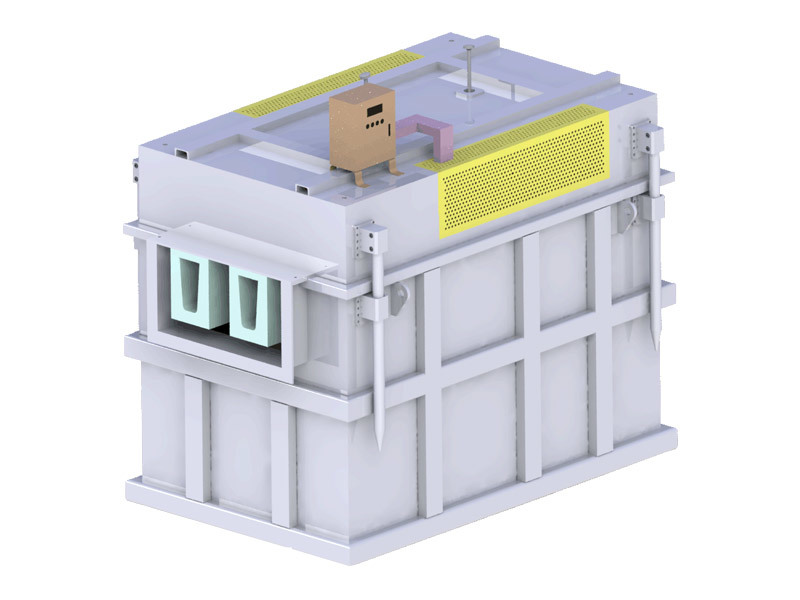
The Hongfeng degasser is designed with subsurface flow, matched with composite graphite rotor or silicon nitride rotor, heated by immersion heater, and can be equipped with permeable bricks according to the requirements of hydrogen removal. Different types and specifications of degassing equipment can be selected according to processing requirements.
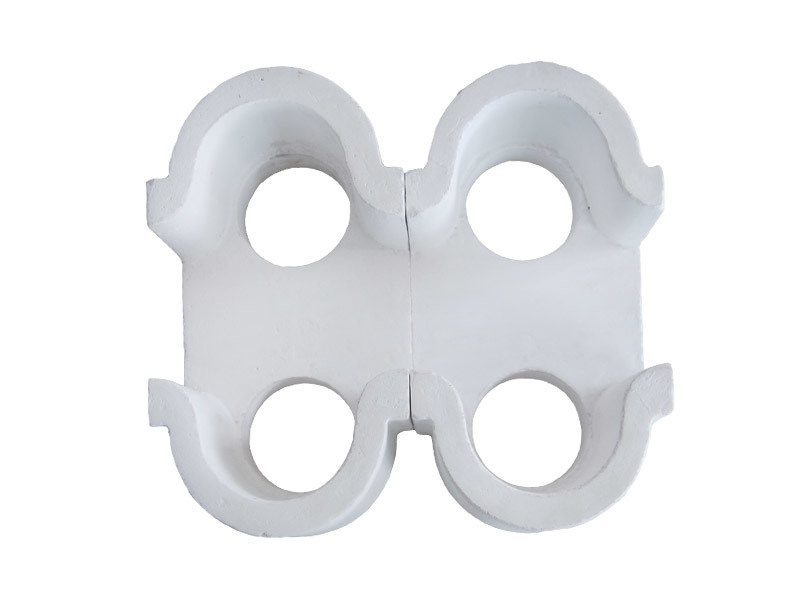
Refractory materials refer to inorganic non-metallic materials with a refractoriness of not less than 1580 ℃, which are mainly used for structural materials of thermal equipment such as high-temperature furnaces, as well as materials of industrial high-temperature containers and components, and can withstand corresponding physical and chemical changes and mechanical effects.
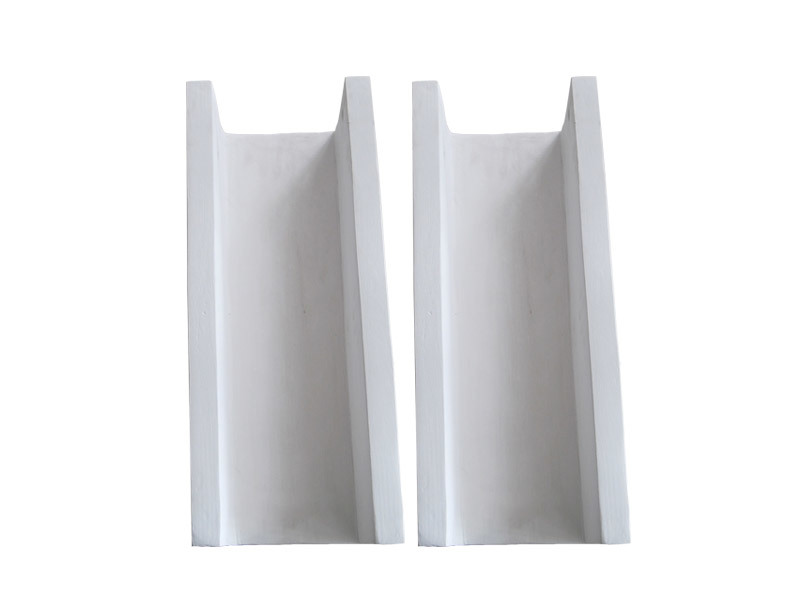
Siliceous products, aluminum silicate products, magnesium products, dolomite products, chromium products, carbon products, zirconium products, etc.
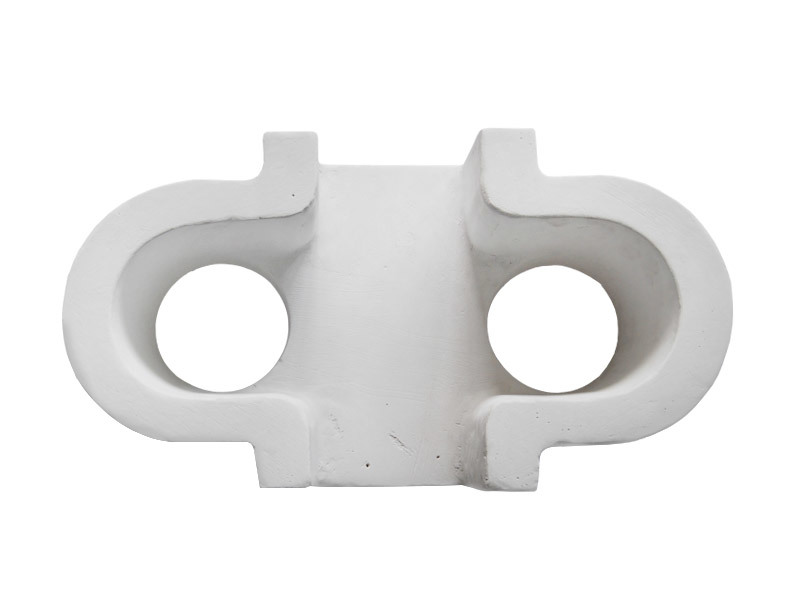
The production process of non-sintered products.


Contact Us
55 Jintai Middle Road, Jintai Development Zone, Dingxing County, Hebei Province, China
About Us
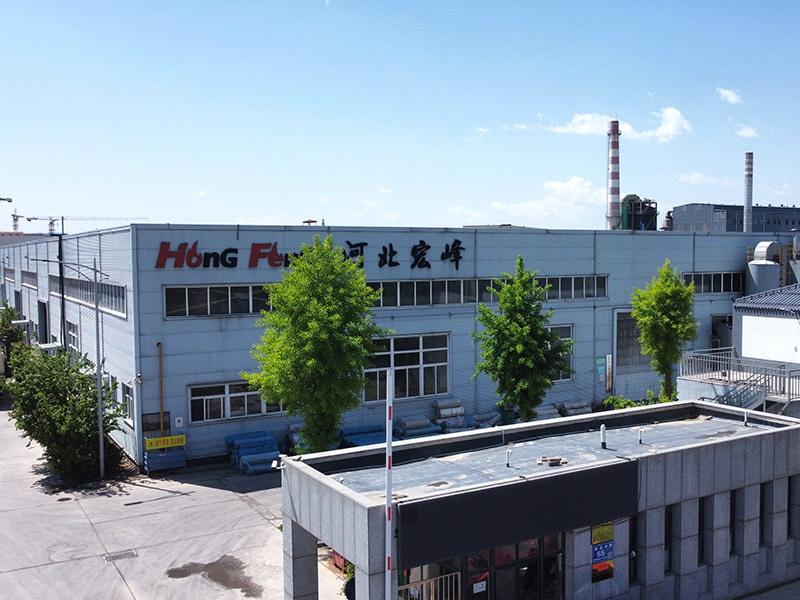
Add:55 Jintai Middle Road, Jintai Development Zone, Dingxing County, Hebei Province, China
Tel:+86-13903127726
Quote Now
Solutions for Your Industry, Ready for Your Choice